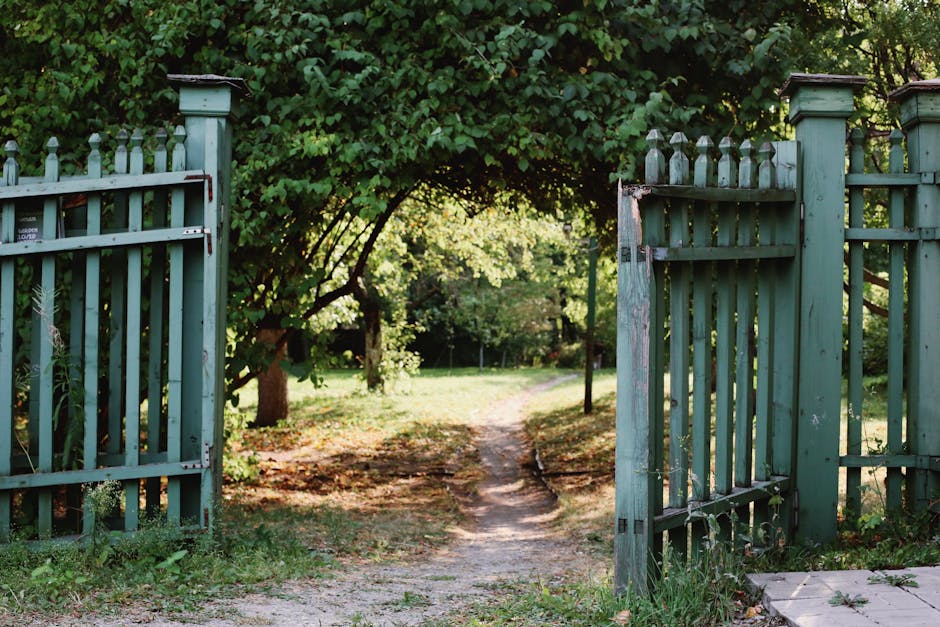
What to know about access issues for Uxbridge gardeners

If you have ever looked at a side gate, a narrow driveway, or a garden squeezed behind a terrace and thought, "That's going to be awkward," you are already thinking like an experienced client. What to know about access issues for Uxbridge gardeners is really about one thing: making sure garden work can happen safely, efficiently, and without nasty surprises on the day. In Uxbridge, access can be straightforward in some homes and surprisingly tricky in others - tight alleys, shared entrances, uneven paving, steep steps, parked cars, barking dogs, and the occasional wheelie bin in exactly the wrong place. It all matters.
This guide breaks down how access affects garden maintenance, landscaping, clearance, hedge trimming, and larger outdoor projects. You'll learn what gardeners typically need to know, how to prepare, what can go wrong, and how to avoid delays. A little planning goes a long way, honestly.
For a broader look at the types of work often affected by access, you may also find the services overview useful, and if your project involves a bigger transformation, the landscaping and garden clearance pages give helpful context.
Why access issues matter for Uxbridge gardens
Access sounds like a small detail until you're the person trying to move a mower, hedge trimmer, bags of green waste, sleepers, gravel, or a bulky decking board through a tight gap. Then it becomes the whole job. In practical terms, access affects how long work takes, what equipment can be used, how many people may be needed, and whether a task can be completed in one visit or needs to be staged.
In Uxbridge, you'll often find a mix of property types: older terraces, semi-detached homes with side access, modern developments with shared entrances, and larger plots where the issue is not width but distance. Some gardens are easy to reach but awkward to work in; others are spacious once you get in, yet a nightmare to access from the road. Let's face it, a beautiful garden does not always make life easy for the person maintaining it.
Access matters for:
- Safety - narrow routes, poor lighting, slippery paving, and hidden steps increase the chance of trips or strained lifting.
- Efficiency - every extra barrier adds time, especially on tasks like hedge trimming or clearance.
- Cost planning - access can influence labour time, waste removal, and the choice of equipment.
- Quality of work - if a team cannot move properly, it is harder to achieve a neat finish.
- Neighbour relations - shared drives and side passages can lead to disputes if things are not agreed in advance.
There is also a real human side to this. A client may be dealing with a garden that has become overgrown after illness, a family move, or a long winter. In those moments, access is not just a technical issue. It's the difference between a manageable job and a stressful one. That is why reputable firms tend to ask questions early rather than guessing later. If you want to understand how a contractor frames that kind of work, the about us page is a useful place to see the approach behind the service.
How access planning works in practice
Good access planning starts before anyone arrives. The simplest version is a short conversation about how the team will get from the vehicle to the work area, and how waste or materials will be carried in and out. The more detailed version includes measurements, photos, parking notes, and any known hazards. Usually, the aim is not to overcomplicate things. It is to avoid the classic moment where a van is parked outside and everyone realises the gate is just a little too narrow for the machinery.
In a typical residential garden visit, the process goes something like this:
- Initial assessment - you describe the access route, gate width, steps, parking situation, and any restrictions.
- Risk spotting - the gardener identifies likely pinch points, such as tight turns, low branches, unstable ground, or overhead obstacles.
- Method choice - the team decides whether tools, materials, and waste can be carried by hand, wheeled, or need a different setup.
- Timing and positioning - the arrival time may be adjusted to reduce disruption, especially if parking is limited or neighbours share access.
- On-site adaptation - if the garden throws up an unexpected issue, the team works around it safely rather than forcing the job.
That last point is worth emphasising. Gardens have a habit of revealing surprises once the job starts. A path that looked usable online may be soft underfoot. A gate that opens fully may still have a latch sticking into the line of travel. A hedge may hide a drain cover or an old fence post. These are normal garden realities, not failures. They just need a bit of awareness.
For ongoing visits, access planning becomes even more important. Regular tasks like garden maintenance or lawn mowing usually run smoothly when the route is predictable. But if access changes seasonally - for example, after rain or when family cars are parked differently - it helps to mention that in advance.
Key benefits and practical advantages
Getting access sorted early is not just about avoiding problems. It brings a lot of practical upside, and you can feel it on the day. Jobs start on time, the work area is prepared properly, and the team spends more energy on the garden itself rather than on logistics.
Key benefits include:
- Faster job completion because equipment and materials are placed where they need to be.
- Lower risk of damage to lawns, patios, walls, sheds, or shared entrances.
- Cleaner results since waste can be removed without dragging debris through the house or across delicate surfaces.
- Better value because the quote is more likely to reflect the true job rather than hidden complications.
- Less stress for you, the gardener, and anyone else living at the property.
One practical advantage people often forget is simply predictability. If you have ever tried to reorganise your day around a tradesperson who arrives and then says, "Actually, we can't get the mower in," you will know why this matters. Not dramatic, but annoying. Very annoying.
Access planning also helps with specialist work such as hedge trimming or tree lopping and removal, where ladders, long tools, cuttings, and safe working space all need more room than a basic tidy-up.
Who this is for and when it makes sense
This topic matters to a wide range of people, and not just those with tricky back-garden layouts. If you are arranging any kind of garden service in Uxbridge, access should be part of the conversation.
It makes sense to think about access if you are:
- a homeowner with a narrow side passage or shared gate
- a landlord preparing a rental property for new tenants
- a property manager coordinating maintenance across multiple homes
- someone booking a one-off clearance after a long period of overgrowth
- planning landscaping or decking work where materials need to be delivered carefully
- trying to maintain a garden while protecting pets, children, or vulnerable residents
It is especially relevant when the job involves heavier materials, larger tools, or repeated visits. A light tidy may be possible through almost any entrance. But if you are arranging new borders, paving, timber structures, or major redesign work, access becomes part of the build strategy, not an afterthought.
Sometimes people only realise this when they stand in the garden and look back at the route in. Then it clicks. Ah - yes. That route. The one with the flowerpots, the step, the gate catch, and the bin store. You get the idea.
If your project is more than routine upkeep, the landscape gardening and decking services pages can help you think about how access needs may change with a more involved job.
Step-by-step guidance
Here is a simple way to handle access issues without turning the whole thing into a planning exercise that nobody enjoys.
1. Walk the route from the road to the work area
Do this slowly. Notice gate widths, steps, surface condition, low branches, tight corners, and anything that might snag a wheelbarrow or block a carry route. Even a short route can be awkward if there is a sudden turn or a hidden lip in the paving.
2. Check parking and loading options
Ask where a van can safely stop and unload. In some streets, especially busier parts of Uxbridge, parking may be the biggest access issue of all. If the vehicle has to park far away, that affects labour time and may influence the quote.
3. Measure the narrow points
A rough estimate helps, but actual measurements are better. Gate width, passage width, and the height clearance under overhanging structures can all matter. If you are unsure, take a tape measure and a quick photo. Nothing fancy.
4. Flag hazards early
Mention loose slabs, broken steps, soft ground, pets, steep banks, or anything sharp hidden in overgrowth. A gardener can work around a lot, but only if they know what they are dealing with.
5. Match the job to the access route
Light maintenance may suit hand tools. Larger clearance jobs may require bags, buckets, or smaller loads moved in stages. Bigger landscaping work may need a method that avoids repeated trips through the same narrow route.
6. Prepare the space before the visit
Move cars, bikes, toys, bins, planters, and anything else sitting in the route. If you have a dog, think about where it will be during the visit. If a side gate needs a key or code, share that in advance. It sounds basic, but these tiny details are where delays love to hide.
7. Confirm waste handling
For jobs that create a lot of green waste, check how it will be removed and where it can be stacked temporarily. This is especially useful for garden clearance and seasonal tidy-ups where the volume can be greater than expected.
Expert tips for better results
In our experience, the smoothest jobs are rarely the ones with the fanciest equipment. They are the ones where the access information is accurate and the handover is clear. A few small habits make a real difference.
- Send photos from both directions. A gate shot from inside the garden tells a different story from a shot taken outside.
- Be honest about access quirks. "It's a bit tight" is useful, but "the gate opens only halfway because of the planter" is much better.
- Think about weather. A path that is fine in dry weather may become slippery after rain, especially on shaded paving.
- Keep the route clear for the full job. Sometimes clients clear the path for arrival, then store things back in it halfway through. Easy to do, but it can slow everything down.
- Plan for return trips. If the work is spread over several days, the access route may need to stay available for repeat visits.
There is also a good case for asking the gardener what they need specifically. Different tasks require different access. A mower job is not the same as a pruning job, and neither is the same as moving bulky timber. A quick question now can save a lot of faffing later. That word fits here, even if it is a bit old-school.
For projects where safety and method matter even more, it is worth reviewing the company's health and safety policy and insurance and safety information so you understand the standards behind the work.
Common mistakes to avoid
Most access problems are avoidable. The trouble is that they are also easy to overlook when you are focused on the garden itself rather than the route into it.
- Assuming a gate is wide enough without measuring it.
- Forgetting about parked vehicles on the day of the appointment.
- Not mentioning pets, children, or shared entrances that affect how work can happen safely.
- Leaving waste access to chance and then discovering there is nowhere sensible to stack clippings or debris.
- Ignoring surface conditions such as mud, moss, or broken slabs.
- Booking a major job without discussing the route for materials and equipment.
One of the bigger mistakes is treating access as if it only matters to the contractor. It matters to the whole job. If the route is awkward, the finished garden can still be beautiful - but getting there will likely take more time and more coordination than expected.
There is a small but real difference between "It'll be fine" and "Let's check." Choose the second one whenever you can.
Tools, resources and recommendations
You do not need specialist gear to plan access well. A few simple tools are usually enough.
- Tape measure for gates, side paths, and tight points.
- Phone camera for clear photos of access routes, locks, steps, and parking areas.
- Notepad or message thread to record key details before the appointment.
- Basic map view of the property to understand where vehicles can stop.
- Temporary markers such as cones or a note on the gate if the route needs to stay clear.
From a service perspective, it can help to look at the provider's broader information pages. For example, the pricing and quotes page can clarify how access affects estimate accuracy, while payment and security is useful if you want to understand the company's normal admin process before work begins.
If your project is partly about tidying, sustainability, or removing a lot of old growth, the recycling and sustainability page may also be relevant, especially where waste handling and disposal planning are part of the access conversation.
Law, compliance, standards, or best practice
Access issues in garden work can touch on several areas of good practice, especially where safety, neighbours, and waste handling are concerned. It would be wrong to pretend every job has the same rules, because it doesn't. But a sensible professional will usually work to a few common expectations.
Best-practice principles usually include:
- carrying out a sensible risk assessment before starting
- avoiding obstruction of public footpaths or shared driveways
- using equipment that suits the access route rather than forcing oversized gear through a tight space
- keeping walkways clear and minimising trip hazards
- managing waste in a way that does not create avoidable mess or nuisance
- respecting privacy and shared access arrangements
Depending on the job, there may also be insurance and liability considerations. That is one reason professionals often ask for access details before confirming work. It is not bureaucracy for its own sake. It is part of doing the job properly.
If you are comparing providers, it is sensible to look at the company's accessibility statement as well. While that page is not about garden access in the narrow sense, it can show how the business thinks about clear communication and user needs, which matters more than people think.
For terms, scheduling, and expectations around service delivery, the terms and conditions page may also be worth a glance. Small print is boring until it suddenly isn't.
Options, methods, or comparison table
Different access setups call for different working methods. Here's a practical comparison that shows how the approach may vary.
| Access situation | Likely approach | Main advantage | Common limitation |
|---|---|---|---|
| Wide gate, clear path, easy parking | Standard tools and normal hand-carry access | Fast, straightforward, low disruption | Usually none, aside from general site care |
| Narrow side passage or shared entry | Smaller loads, compact tools, careful movement | Still workable with planning | More labour time and slower material transfer |
| Long carry from road to garden | Staged transport, grouped loads, possibly extra time | Maintains safe handling | Can add time and require more organisation |
| Uneven, slippery, or stepped access | Extra caution, route clearing, possible task adjustment | Reduces injury and damage risk | May limit what can be completed in one visit |
| Major clearance or landscaping project | Pre-planned delivery route and waste movement strategy | Better project control | Needs the most preparation |
As a rule of thumb, the more complex the access, the more valuable it is to plan the job in stages. That is especially true for landscaping and other heavier works, where materials may need to move in and out several times.
Case study or real-world example
Here is a realistic example from the sort of situation many Uxbridge households face.
A homeowner in a terraced property wanted a long-neglected back garden cleared before new planting could begin. The front looked fine. The problem was the access route: a narrow side passage, a slightly sticky gate latch, and a patch of uneven paving near the back door. On paper, nothing dramatic. In reality, enough to slow the work down if nobody had mentioned it.
Before the visit, the client sent a few photos and noted that parking was tight at school-run time but better mid-morning. That small detail changed everything. The team arrived later in the morning, unloaded efficiently, and brought materials in smaller batches to avoid blocking the passage. Because the access route was cleared in advance, the job stayed tidy and there was no accidental scuffing of the walls or fence panels.
The main lesson? Access problems are often not deal-breakers. They are just planning points. With the right information, even a slightly fiddly setup can still lead to a clean result. And yes, everyone was happier by the end of the day. The garden looked far less like a jungle, which always helps.
Practical checklist
Use this checklist before any gardener arrives.
- Measure the gate and any narrow side passages.
- Check where a van can park legally and safely.
- Clear the route of bins, bikes, tools, toys, and planters.
- Tell the gardener about shared access, pets, or locked gates.
- Note any broken slabs, steps, mud, or slippery areas.
- Confirm whether waste will be stacked, bagged, or removed during the visit.
- Share photos if the access route is not straightforward.
- Make sure the team can enter and leave without disturbing neighbours unnecessarily.
- Keep the route clear for the whole job, not just the first five minutes.
- Double-check the appointment details the day before if parking is likely to be tight.
Quick expert summary: good access planning is not about being fussy. It is about reducing friction. If the route in is clear, the work usually runs smoother, looks better, and feels much less stressful for everyone involved.
Conclusion
When people ask what to know about access issues for Uxbridge gardeners, the real answer is this: access shapes everything from time and safety to pricing, waste removal, and the final quality of the work. You do not need a perfect garden route. You just need an honest, practical picture of what the team will face when they arrive.
If you are preparing for a maintenance visit, a one-off clearance, or a bigger landscaping job, a few simple checks now can save a lot of back-and-forth later. Measure the narrow bits, clear the route, mention the awkward stuff, and keep communication straightforward. That is usually enough. Simple, really - though gardens do enjoy making things a bit less simple than they should be.
Get a free quote today and see how much you can save.
And if you want a service that respects both your garden and the practical realities of getting into it, that calm, well-planned approach makes all the difference. Sometimes the smoothest jobs start with the smallest conversation.
Frequently Asked Questions
What counts as an access issue for a gardener?
Anything that makes it harder to reach the work area safely counts as an access issue. That can include narrow gates, long carry distances, shared entrances, parked cars, steps, slippery surfaces, or locked side passages.
Should I measure my gate before booking garden work?
Yes, if the route is anything other than wide and obvious. A quick measurement helps the gardener decide whether standard equipment will fit and whether any special planning is needed.
Does poor access always mean a higher cost?
Not always, but it often affects labour time or the method used. The more time spent moving equipment and waste, the more likely the quote will reflect that extra effort.
What photos are most useful to send before a visit?
Photos of the gate, side passage, parking area, steps, and the main route into the garden are usually the most helpful. A wide shot and a close shot together work best.
Can gardeners work through a narrow side passage?
Often yes, but it depends on the width, surface condition, and the type of job. Light maintenance may be easy, while larger clearance or landscaping work may need a different plan.
What should I do with bins, bikes, and garden furniture?
Move them out of the access route before the team arrives. It sounds obvious, but in practice this is one of the easiest ways to save time and avoid awkward lifting.
How do access issues affect garden clearance?
Clearance jobs usually create more waste and involve more trips in and out of the garden, so access has a bigger effect. Tight routes can slow the process and may influence how waste is bagged or stacked.
Do access problems matter for regular garden maintenance too?
Yes. Routine visits are usually simpler, but repeated access issues can still waste time, cause delays, or make ongoing maintenance less efficient than it should be.
What if my garden can only be reached through the house?
That can be workable in some cases, but it needs to be discussed in advance. Gardeners may need to protect floors, keep tools clean, or adjust the way materials are moved.
Can bad weather make access worse?
Absolutely. Wet paving, mud, moss, and soft ground can quickly turn a manageable route into a slippery one. If the access is already tight, weather can make it noticeably more difficult.
Is access more important for landscaping than mowing?
Usually yes. Landscaping often involves heavier materials, more movement, and a wider range of tools. Mowing can be simple if the route is clear, but bigger projects need more careful planning.
What is the best thing to tell a gardener before they arrive?
Be specific about the route in, parking, gate widths, and any hazards. Clear information is far more useful than saying everything should be fine and hoping for the best. Truth be told, that rarely helps anyone.