Complete guide to garden maintenance in UB8 Uxbridge
If you live in UB8 Uxbridge, garden maintenance is not just about keeping things neat for the sake of it. It is about protecting plant health, avoiding a weekend backlog, and making outdoor space feel like somewhere you actually want to spend time. In a typical Uxbridge garden, one damp week can turn into mossy paving, overgrown edges, and a lawn that looks tired before you know it. This complete guide to garden maintenance in UB8 Uxbridge walks you through what matters, what to do first, and how to keep a garden looking cared for without turning every spare hour into a chore.
Whether you manage a small courtyard, a family lawn, or a larger garden with hedges, borders and mature trees, the same principle applies: regular, sensible maintenance beats a big rescue job every time. And to be fair, rescue jobs are rarely as cheap or as pleasant as they sound.
Table of Contents
- Why garden maintenance in UB8 Uxbridge matters
- How garden maintenance works
- Key benefits and practical advantages
- Who this is for and when it makes sense
- Step-by-step guidance
- Expert tips for better results
- Common mistakes to avoid
- Tools, resources and recommendations
- Law, compliance, standards, or best practice
- Options, methods, or comparison table
- Case study or real-world example
- Practical checklist
- Conclusion
- Frequently Asked Questions
Why Complete guide to garden maintenance in UB8 Uxbridge Matters
Garden maintenance matters because gardens are living systems, not static spaces. In UB8 Uxbridge, weather swings, shade from trees, compacted soil, and periods of fast growth can quickly change the look and condition of a garden. One month you have tidy beds and a manageable lawn; the next, the hedge is leaning into the path and weeds are acting like they own the place. It happens.
Regular maintenance helps you stay ahead of those changes. It keeps plants healthier, reduces safety risks, and makes the garden more usable through the year. It also protects the time and money already invested in landscaping, turf, decking, or planted areas. A well-kept garden tends to age better, especially when it includes features such as paths, fencing, or timber structures that need watching as well as cleaning.
There is also a practical local angle. Uxbridge gardens often deal with a mix of urban exposure and sheltered corners, which can create uneven growth. Some areas dry out quickly in summer; others stay damp and shaded, encouraging moss or fungal issues. Good maintenance is really about understanding those small microclimates and responding to them before they become bigger problems.
Expert summary: if a garden is maintained little and often, it is usually cheaper, safer, and far more pleasant to manage than one left until it needs major restoration. That simple habit pays off more than most people expect.
How Complete guide to garden maintenance in UB8 Uxbridge Works
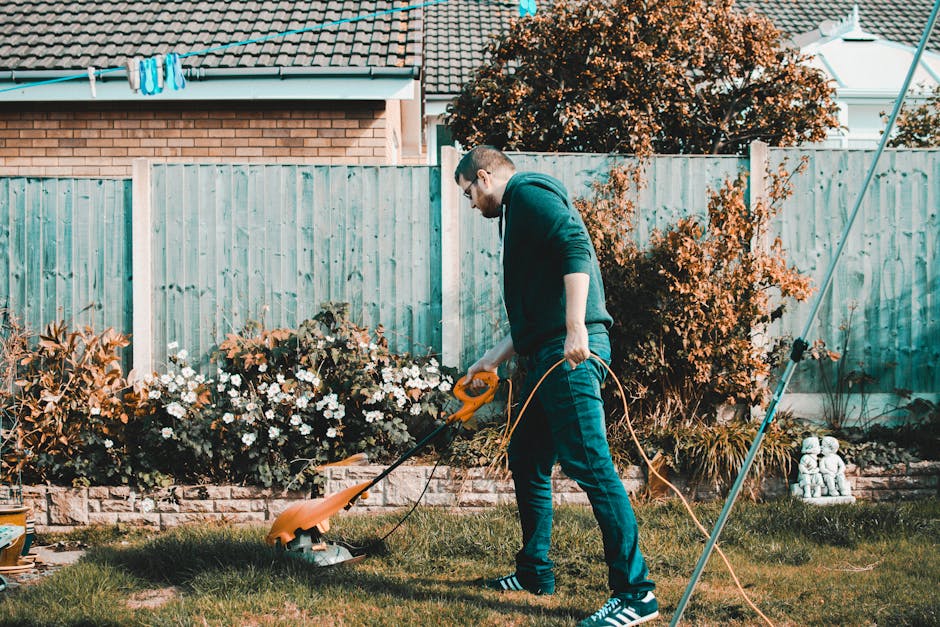
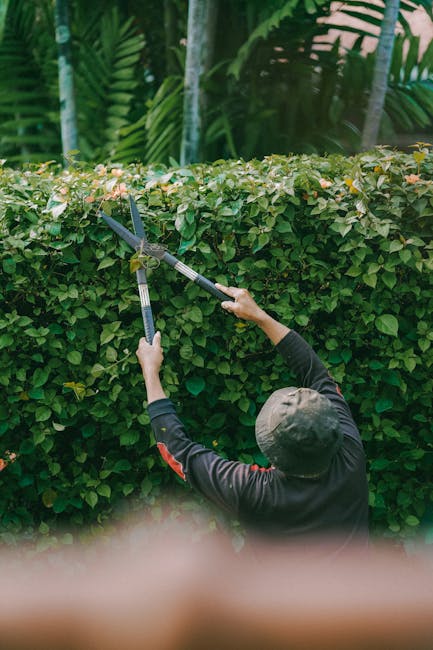
Garden maintenance works best when it follows a routine rather than a panic response. A proper approach usually starts with assessing the current condition of the garden, identifying priorities, and deciding which tasks are seasonal, weekly, or occasional. For many homeowners and landlords, the main areas are lawn care, hedge trimming, pruning, weed control, border tidying, leaf clearance, and waste removal.
In practice, a maintenance visit may include a mix of light and medium tasks. For example, one garden might need mowing, edging, and sweeping. Another may need deadheading, cutting back growth, and clearing a heavily used path. Some gardens also need extra attention around hard landscaping, raised beds, or areas close to fences where debris collects quietly in the background. It is rarely just one job, is it?
Professional maintenance services often work to a recurring schedule, but even if you are doing it yourself, the same rhythm applies. Start with safety, then clean-up, then cutting and shaping, and finally detail work such as edging and tidy finishes. Good maintenance is not only about making things shorter. It is about making the whole space look balanced.
If your garden has become difficult to manage, it may help to combine routine upkeep with one-off services such as garden clearance for overgrown or cluttered spaces, or landscaping if the layout itself is part of the problem.
Key Benefits and Practical Advantages
There are obvious benefits to a tidy garden, but the less obvious ones often matter more over time. Better maintenance improves plant performance, reduces the spread of weeds, and keeps access routes clear. It can also make it much easier to spot pests, disease, broken panels, unstable branches, or drainage issues before they escalate.
- Healthier planting: regular pruning, mulching and feeding can help plants grow more strongly and with less stress.
- Safer outdoor areas: clear paths, trimmed edges, and stable boundaries reduce trip hazards.
- Better appearance: neat borders and well-cut lawns make the whole space feel cared for, even if it is not huge.
- Less emergency work: ongoing maintenance reduces the need for heavy labour later on.
- Better use of the space: a garden becomes more usable for children, pets, hosting, or simply sitting with a coffee on a quiet Sunday morning.
There is also a financial side, though no one likes to be too blunt about that. Regular care usually protects the value of outdoor features such as turf, hedging, paving, and decking. If you already have a more structured outdoor layout, a maintenance plan helps those features hold up better. You can see that logic reflected across services like lawn mowing and hedge trimming, where routine attention makes a visible difference.
Who This Is For and When It Makes Sense
This guide is for anyone in UB8 Uxbridge who wants their garden to stay manageable rather than becoming a seasonal battle. That includes homeowners, tenants with garden responsibility, landlords, letting agents, and businesses with small outdoor areas. It also suits anyone recovering a neglected garden and wanting a sensible long-term plan afterwards.
It makes sense to take garden maintenance seriously if any of these sound familiar:
- the lawn looks patchy, long, or mossy most of the time
- hedges are becoming too tall, too wide, or too woody
- weeds keep returning in beds, gravel, or paving joints
- leaf build-up is making the garden look untidy and slippery
- you keep meaning to do the work but the list never ends
- you are preparing a property for sale, rent, or a family event
It also makes sense if your garden includes mature planting or trees that need more careful handling. In those cases, routine maintenance can be paired with more specialist work such as tree lopping and removal when a branch structure, canopy shape, or safety concern needs proper attention.
Truth be told, some gardens simply need a fresh reset after months or years of patchy care. That does not mean the space is beyond help. It just means the first phase may be heavier than the second.
Step-by-Step Guidance
A reliable garden maintenance routine does not need to be complicated. It does need to be consistent. Here is a practical way to approach it.
1. Walk the garden properly
Do a full slow walk from one end to the other. Look at the obvious things first: lawn height, hedge shape, weeds, dead material, fallen branches, blocked drains, slippery paving, and any areas where water seems to sit. If you are only glancing from the patio, you will miss half the issues.
2. Tackle safety and access first
Move loose objects, remove obvious hazards, and clear access routes. It sounds basic, but this step saves time later. You want to be able to mow, trim, sweep, and prune without stepping around clutter or catching tools on hidden debris.
3. Clear debris before cutting
Collect leaves, sticks, and rubbish before mowing or trimming. Otherwise the mower clogs, the finish looks messy, and the whole job takes longer. If there is more debris than expected, a proper clearance phase can make the rest of the work far easier.
4. Cut, shape, and tidy in the right order
Usually the best sequence is hedge trimming, mowing, edging, then detailed tidy-up. That keeps the garden looking finished rather than half-done. A clean edge along a lawn path or bed can make even a modest garden look much sharper.
5. Deal with weeds and overgrowth
Weeds should be removed before they seed if possible. Overgrown perennial weeds may need root removal or repeated treatment rather than a quick pull. For hedges and shrubs, cutting back a little and often is usually better than one severe chop every year or two.
6. Finish with inspection and waste removal
Once the visible work is done, check the garden again. Look for missed patches, stray clippings, and any damage revealed during the clean-up. Then remove or recycle the waste appropriately. A garden can look tidy but still feel unfinished if cuttings are left behind.
If you prefer a recurring service rather than DIY upkeep, take a look at the main garden maintenance service overview to understand how ongoing care is typically organised.
Expert Tips for Better Results
Small improvements in timing and technique make a surprisingly large difference. In our experience, the gardens that stay in good shape are not always the biggest or newest ones. They are the ones where the owner or gardener has a sensible routine and does not wait for a crisis.
- Cut little and often: lawns and hedges usually look better when maintained regularly, rather than cut back hard after long gaps.
- Work with the season: spring growth, summer watering, autumn leaf fall, and winter structure each need a slightly different approach.
- Do not ignore edges: neat edges around paths, borders, and lawns lift the whole space more than people expect.
- Keep tools sharp and clean: blunt blades tear rather than cut, which can stress grass and plants.
- Watch for hidden issues: poor drainage, compacted soil, or shade problems can make repeated maintenance feel harder than it should.
One useful habit is to take a few photos of the garden each month. Sounds a bit fussy, maybe, but it helps you spot gradual change. You notice the hedge shape drifting or the lawn thinning long before it becomes obvious in real time.
If the garden includes decking, keep an eye on slipping, algae, and leaf staining. Maintenance is not only about plants. Timber and hard surfaces need attention too, and sometimes they need a broader plan through decking services or related outdoor works.
Common Mistakes to Avoid
Most garden problems come from a handful of avoidable habits. The good news is that once you know them, they are easy enough to steer around.
- Leaving everything until it is overgrown: this turns light maintenance into labour-heavy recovery.
- Cutting hedges or shrubs too hard at the wrong time: that can leave bare patches or reduce flowering.
- Using the wrong mower height: cutting grass too low in one go can scorch or weaken it, especially in dry weather.
- Ignoring waste management: piles of cuttings can encourage rot, pests, and a general sense of chaos.
- Forgetting the weather: wet grass, frozen stems, or very hot afternoons all affect the quality of the work.
- Trying to solve structural problems with trimming alone: if the layout is awkward, maintenance may only ever be half the answer.
Another common one: people assume a neat-looking garden is a healthy one. Not always. A garden can look tidy for a week but still have compacted soil, failing roots, or drainage that needs attention. The visible finish matters, but the underlying condition matters more.
Tools, Resources and Recommendations
You do not need a shed full of gear to maintain a garden properly. A practical kit is usually enough, provided it is kept in decent condition.
| Tool or item | Why it helps | Best use |
|---|---|---|
| Push mower or rotary mower | Gives a clean, even cut | Regular lawn maintenance |
| Shears or hedge trimmer | Shapes growth quickly and neatly | Hedges, shrubs, formal edges |
| Rake and leaf grabber | Removes debris without damaging surfaces | Autumn leaf clearance, tidy-up work |
| Secateurs and loppers | Useful for controlled pruning | Deadheading, small woody stems, shaping |
| Gloves and sturdy footwear | Basic protection during outdoor work | General maintenance and clearance |
| Wheelbarrow or garden sacks | Makes waste removal easier | Cuttings, clippings, and debris |
For larger gardens or repeat maintenance schedules, professional help can save time and reduce strain. That is especially true if the work includes awkward access, heavy waste, or mixed tasks across lawns, hedges, borders and hard landscaping. A broader service set can be useful, which is why some people review the services overview first before choosing what kind of maintenance they actually need.
If sustainability matters to you, it is worth thinking about disposal and material handling too. The site's recycling and sustainability approach is a sensible place to understand how garden waste and responsible practices can fit together.
Law, Compliance, Standards, or Best Practice
Garden maintenance is not usually complicated from a legal point of view, but there are still sensible standards and duties to keep in mind. If you are working on your own property, the main concern is doing the job safely and avoiding damage to neighbouring land, fences, or structures. If you are maintaining property for someone else, clarity matters even more.
Good practice usually includes checking that anyone carrying out the work is insured, understands basic health and safety, and uses equipment correctly. For more structured or commercial maintenance, it is reasonable to expect proper attention to risk assessment, safe lifting, safe use of cutting tools, and responsible waste handling. That is just standard professionalism, really.
Tree work, in particular, should be approached with care. Larger branches, unstable stems, or work near boundaries can create risk if handled casually. If something looks more serious than routine pruning, it is better to pause and get the right help than to improvise on a Saturday afternoon. Nobody wants a ladder-and-regret situation.
It also helps to know the provider's service terms, payment expectations, and insurance position before work starts. Pages such as insurance and safety, health and safety policy, payment and security, and terms and conditions are useful for understanding how a professional service is structured.
Options, Methods, or Comparison Table
There is no single correct way to maintain a garden. The right method depends on how much time you have, how complex the space is, and whether the goal is routine upkeep or a bigger improvement project.
| Approach | Best for | Pros | Trade-offs |
|---|---|---|---|
| DIY upkeep | Small, simple gardens | Flexible, low direct cost, good for people who enjoy outdoor work | Time-consuming, easy to delay, can become physically demanding |
| Scheduled professional maintenance | Busy households, rental properties, larger gardens | Consistent finish, less stress, better long-term control | Requires budget planning and regular communication |
| One-off recovery visit | Neglected or overgrown spaces | Quick improvement, useful reset, easier to follow with a routine later | May not solve recurring issues on its own |
| Maintenance plus landscaping support | Gardens with poor layout or failing features | Improves usability and appearance together | More involved, sometimes a bigger upfront project |
If a garden feels impossible to keep under control, the answer may not be "work harder." It may be "change the setup." In those cases, maintenance and landscape gardening can work together surprisingly well.
Case Study or Real-World Example
Here is a realistic example based on the kind of garden many UB8 households deal with. A family has a medium-sized rear garden with a lawn, side return, mixed borders, and a hedge along the back fence. It has not been neglected completely, but it has slipped. The grass is long, weeds are showing in the borders, and the hedge has started to lean into the light.
The first visit focuses on clearing access, mowing the lawn, cutting the hedge back to shape, and removing cuttings. After that, the borders are weeded and edged, and the planting is checked for dead material. The garden immediately feels larger. Not because the space changed, but because the lines are visible again.
Two weeks later, the owner keeps up with light attention: a quick mow, some hand weeding, and a five-minute sweep after windy weather. That small follow-up stops the return of the "everything all at once" problem. The difference is not dramatic in a glossy-magazine way. It is better than that. It is livable.
If the hedge had been too dense or the garden too cluttered to begin with, the first step might have been a stronger reset through garden clearance, followed by routine maintenance once the space was back under control.
Practical Checklist
Use this checklist to keep your UB8 garden on track through the year.
- Walk the garden and note anything overgrown, unsafe, or blocked
- Clear leaves, branches, and loose debris before cutting
- Mow lawns at a sensible height for the season
- Trim hedges and shrubs before they become difficult to shape
- Remove weeds from beds, paving, and borders
- Check for signs of pests, disease, or poor drainage
- Tidy edges, paths, and lawn borders for a sharper finish
- Inspect timber features, fencing, and decking for wear
- Bag or recycle green waste responsibly
- Set the next maintenance date before you forget
Quick tip: if you can only do three things this weekend, make them mowing, edging, and weed removal. Those three alone will change the feel of a garden faster than most people expect.
Conclusion
Garden maintenance in UB8 Uxbridge works best when it is steady, practical, and tailored to the space you actually have. The goal is not perfection. It is a garden that stays healthy, looks cared for, and does not create stress every time you glance outside. Start small if you need to. Keep it regular if you can. And if the job has outgrown your time, tools, or patience, that is perfectly normal.
For many gardens, the smart move is a mix of routine upkeep, occasional clearance, and occasional improvement work. That approach keeps the space manageable and stops small problems from becoming expensive ones. In the end, a good garden is one you can enjoy without feeling guilty every time the grass grows an inch. That is the real win.
Get a free quote today and see how much you can save.
Frequently Asked Questions
What does garden maintenance usually include in UB8 Uxbridge?
Garden maintenance usually includes lawn mowing, hedge trimming, weeding, edging, pruning, leaf clearance, and general tidying. Some visits also include waste removal and light seasonal work. The exact mix depends on the size and condition of the garden.
How often should a garden be maintained?
Most gardens benefit from regular attention every one to two weeks during active growing periods, with lighter work in quieter seasons. Lawns may need mowing more often in spring and summer, while hedges and borders often need periodic checks rather than constant work.
Is it better to do garden maintenance myself or hire someone?
That depends on time, physical effort, and the complexity of the garden. DIY works well for smaller spaces if you stay consistent. Hiring help makes more sense for larger gardens, overgrown areas, or when you want a dependable routine without losing your weekends.
What is the difference between garden maintenance and garden clearance?
Garden maintenance is ongoing care to keep a garden tidy and healthy. Garden clearance is usually a one-off or occasional service for heavily overgrown, cluttered, or neglected spaces. Clearance often comes first, then maintenance keeps the space in shape afterwards.
Can garden maintenance improve the value or appeal of a property?
Yes, a tidy and well-kept garden can make a property feel more cared for and more usable. It does not change the structure of the house, of course, but it can improve first impressions and reduce the sense of work a buyer or tenant sees when they look outside.
What is the best time of year for garden maintenance in UB8?
There is no single best time, because each season brings different jobs. Spring is often about growth, summer about control and watering, autumn about leaf clearance, and winter about tidying, planning, and structural checks. A year-round approach works best.
Do hedges and shrubs need different care from lawns?
Yes. Lawns need regular cutting, edging, and occasional feeding or scarifying. Hedges and shrubs need shaping, deadwood removal, and sometimes more careful timing depending on the plant type. A hedge can look neat while still being cut at the wrong time, so timing matters.
What should I do before a professional maintenance visit?
Clear access to the garden where possible, move fragile items, and mention any problem areas such as broken fencing, waterlogging, or overgrown sections. It helps the work go smoothly and avoids confusion once the team starts.
How do I know if my garden needs landscaping rather than maintenance?
If the garden is hard to use because the layout is awkward, drainage is poor, or the existing features no longer work well, maintenance alone may not be enough. In that case, a landscaping or landscape gardening solution may be the better long-term option.
What are the most common mistakes people make with garden care?
The biggest mistakes are leaving everything too long, cutting too hard, ignoring weeds until they spread, and forgetting to remove waste. Another quiet mistake is focusing only on appearance and ignoring the underlying health of the soil, plants, and drainage.
Is garden maintenance safe to do in wet or windy weather?
Not always. Wet surfaces can be slippery, and wind can make pruning or using cutting tools more awkward. If conditions are poor, it is usually better to wait or switch to lighter tasks such as sorting tools, planning beds, or clearing stored debris.
How can I keep maintenance costs under control?
The best way is to stay ahead of overgrowth. Small, frequent jobs are usually easier and less costly than major recovery work. It also helps to choose a clear service scope, keep communication simple, and use a regular schedule when possible.
Who should I contact if I want help with a garden in UB8 Uxbridge?
If you want help with ongoing care, seasonal tidying, or a bigger reset, use the contact options on the site and ask for the most suitable service for your garden. If you are unsure whether you need maintenance, clearance, or a broader improvement plan, a short discussion usually clears that up quickly.
If you want to learn more about the team behind the service, you can also read the about us page. For booking or general enquiries, use the contact us page.